
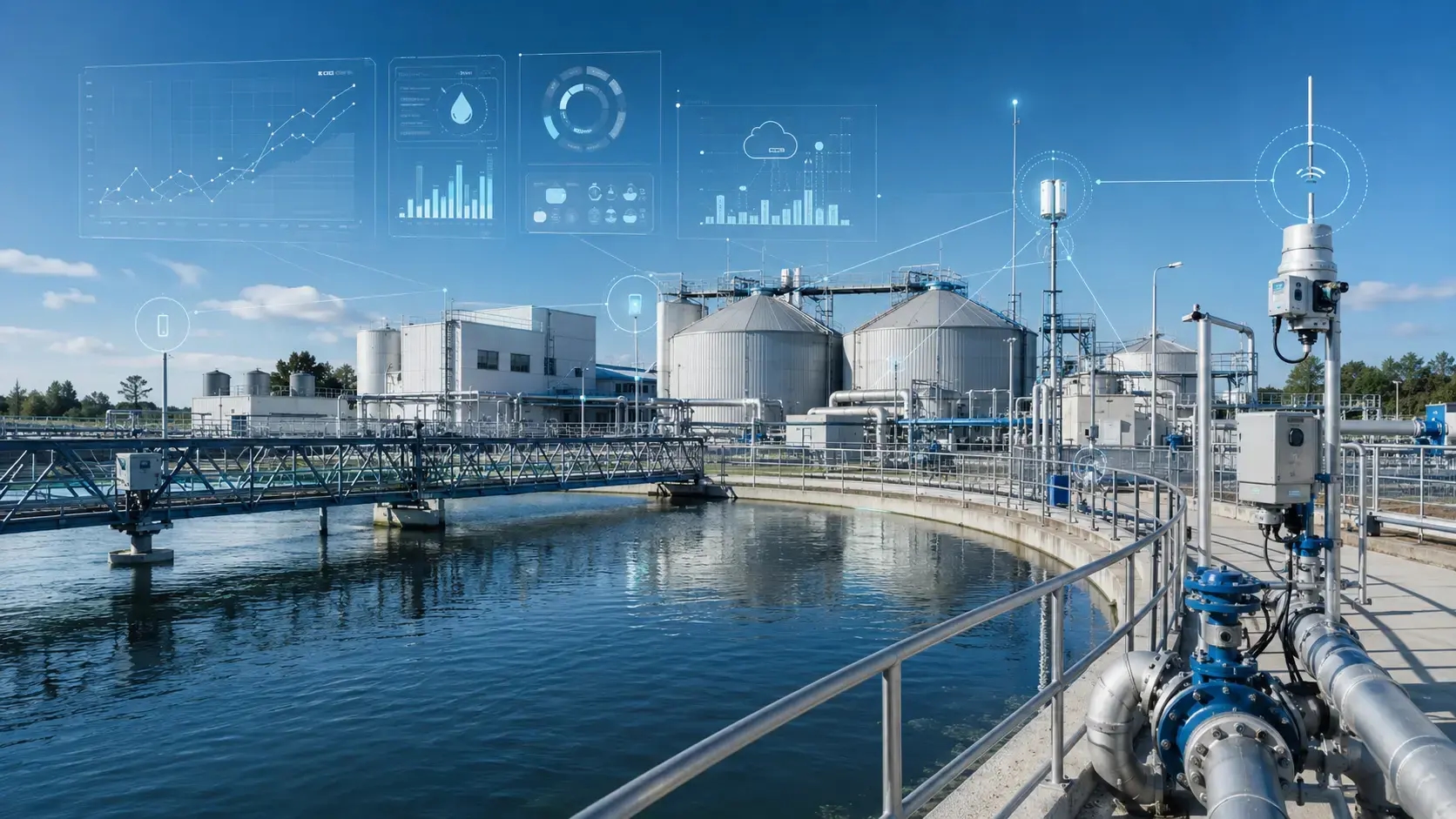
Digital Transformation in Water Projects
Digital transformation in water projects is reshaping how utilities manage assets, monitor infrastructure, and optimize operations across treatment, pumping, and distribution systems. By integrating digital technologies into traditional processes, organizations can achieve better visibility, improved efficiency, and more reliable service delivery.
As part of broader water digital transformation, utilities are moving from reactive operations to proactive and data-driven management. This shift enables smart water management, where decisions are based on real-time insights and predictive analytics. The result is improved sustainability, reduced losses, and enhanced operational control across the entire water network.
What Does Digital Transformation Mean in Water Projects?
Digital transformation in water projects refers to the integration of digital technologies such as sensors, automation systems, and analytics into water infrastructure. It enables utilities to collect, process, and act on data in real time, improving both operational efficiency and service quality. This transformation affects every stage of water management, from source to distribution.
In the context of water utility digitalisation, this means replacing manual processes with automated systems that provide continuous visibility. Tools such as water operations software and connected devices allow operators to monitor performance, detect issues early, and optimize resource usage. This creates a more responsive and efficient water management system.
Why Is Digitalisation Important in Modern Water Infrastructure?
Digitalisation is essential for modern water infrastructure because it improves reliability, efficiency, and sustainability. Traditional systems often lack visibility, making it difficult to detect leaks, inefficiencies, or equipment failures. Through water infrastructure monitoring, utilities can gain real-time insights into system performance and respond quickly to issues.
Additionally, water digital transformation supports long-term planning and resource optimization. By leveraging data and analytics, organizations can reduce waste, improve energy efficiency, and ensure consistent service delivery. This makes digitalisation a key component of future-ready smart water management strategies.
Which Technologies Are Driving Digital Transformation in Water Projects?
Several technologies are driving digital transformation in water projects, including IoT sensors, SCADA systems, cloud platforms, and advanced analytics tools. These technologies work together to enable real-time water monitoring and improve decision-making across operations.
Among these, scada for water industry plays a central role by providing centralized monitoring and control. Combined with IoT and analytics, SCADA systems enable utilities to automate processes and gain deeper insights into performance. This integration forms the foundation of modern water operations software and supports efficient system management.
How Do Digital Systems Improve Water Operations?
Digital systems significantly enhance water operations by enabling real-time visibility, automation, and data-driven decision-making. Through integrated platforms, utilities can monitor assets, detect issues, and optimize processes more effectively. This leads to improved efficiency and reduced operational risks.
By leveraging remote monitoring for water systems, organizations can manage distributed assets without requiring constant on-site presence. This improves response times and ensures that issues are addressed quickly. As part of smart water management, digital systems enable continuous improvement and better resource utilization.
Real-Time Monitoring and Remote Visibility
Real-time monitoring is a core benefit of digital transformation in water projects, allowing utilities to track system performance continuously. Sensors and connected devices provide live data on flow rates, pressure, and equipment status, enabling proactive management of operations.
With remote monitoring for water systems, operators can access this information from anywhere. This enhances flexibility and ensures that critical decisions can be made quickly. Improved visibility leads to better control and more efficient water infrastructure monitoring.
Alarm Management and Faster Incident Response
Digital systems improve alarm management by providing instant alerts when abnormal conditions occur. These alerts enable operators to respond quickly, minimizing downtime and preventing larger issues. Effective alarm handling is essential for maintaining system reliability.
Through real-time water monitoring, utilities can detect and address problems before they escalate. This supports faster incident response and improves overall operational performance. As a result, water treatment automation becomes more efficient and reliable.
Historical Data, Reporting and Performance Analysis
Historical data plays a key role in understanding system performance and identifying trends. Digital platforms store large volumes of operational data, enabling detailed analysis and reporting. This supports better planning and continuous improvement.
By using advanced water operations software, utilities can analyze past performance and optimize future operations. This enhances smart water management by providing actionable insights and supporting data-driven decisions across the organization.
Where Are Digital Water Solutions Used Across the Asset Lifecycle?
Digital solutions are used throughout the entire lifecycle of water assets, from design and construction to operation and maintenance. During operation, they enable continuous water infrastructure monitoring and performance optimization.
In maintenance, digital tools support predictive strategies that reduce downtime and extend asset lifespan. As part of water utility digitalisation, these solutions ensure that assets are managed efficiently at every stage, improving reliability and cost-effectiveness.
How Do SCADA, Sensors and Analytics Work Together in Water Projects?
SCADA systems, sensors, and analytics platforms work together to create a connected and intelligent water management system. Sensors collect real-time data, SCADA systems provide centralized monitoring and control, and analytics tools transform data into actionable insights.
This integration is essential for digital transformation in water projects, as it enables comprehensive visibility and control. Using industrial scada software utilities can streamline operations and enhance performance across their networks.
What Are the Main Challenges in Water Sector Digital Transformation?
Despite its benefits, water digital transformation presents several challenges. These include integration complexity, data management issues, and cybersecurity risks. Ensuring compatibility between legacy systems and new technologies can also be difficult.
Additionally, organizations must invest in training and change management to fully realize the benefits of digitalisation. Addressing these challenges is essential for successful water utility digitalisation and long-term sustainability.
How Can Integrated Software Platforms Support Smarter Water Management?
Integrated platforms play a key role in enabling smart water management by bringing together data, analytics, and control systems into a unified environment. These platforms support real-time monitoring, automation, and decision-making across operations.
By leveraging advanced water operations software, utilities can improve efficiency, reduce costs, and enhance service quality. Combined with industrial scada software, these solutions provide a scalable foundation for successful digital transformation in water projects.